Steel’s Net Zero Journey
A once‑in‑a‑century transition is reshaping how the world makes steel. As governments, automakers and builders demand ‑carbon materials, steelmakers are pivoting away from coal‑based blast furnaces and toward electric arc furnaces (EAFs) that can be fed with high‑quality Direct Reduction Iron (DRI) pellets.
For iron ore developers able to supply DRI-grade products like Zanaga, this shift unlocks unmatched opportunities in a large, growing, premium market.
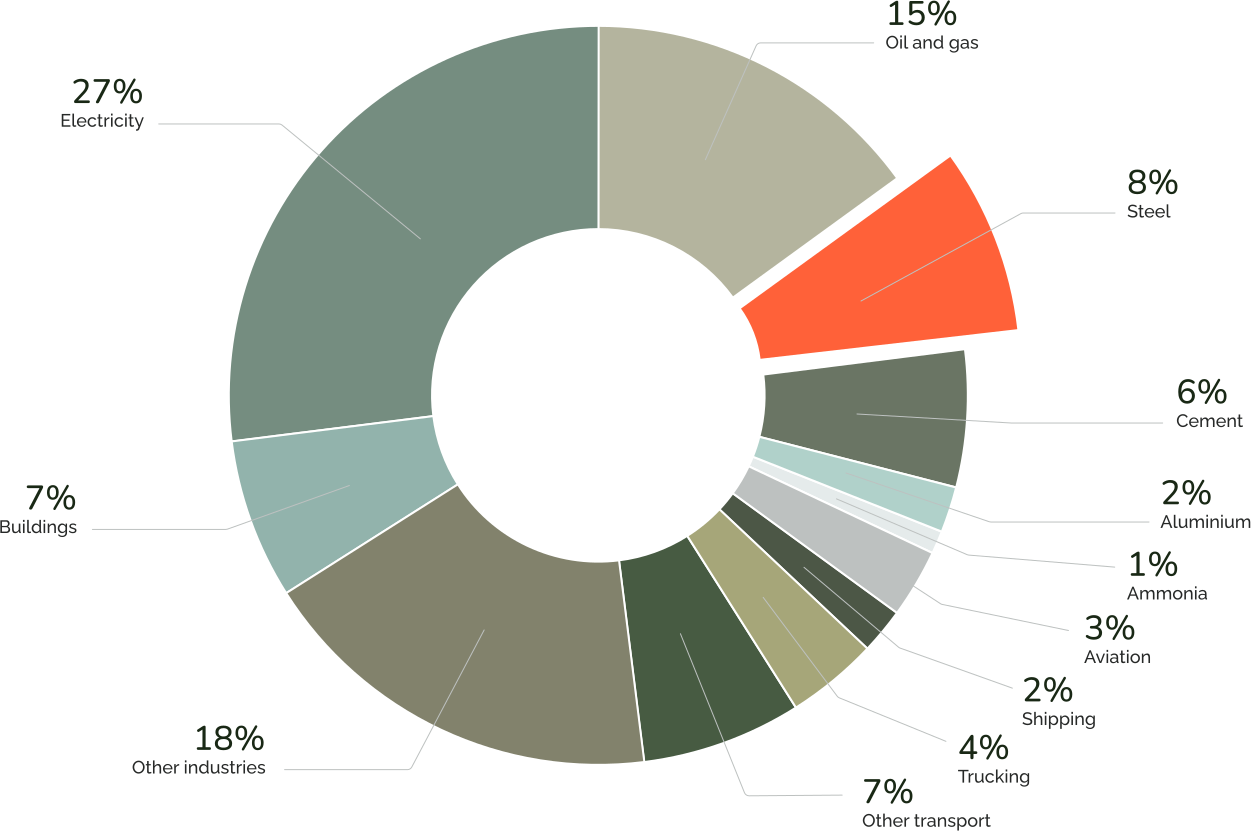
Steel underpins modern infrastructure, energy and mobility. Global steel production output is estimated at 2 billion tonnes per year. The steel industry is currently a significant source of air pollution and greenhouse gas emissions, ranking among the most polluting industries globally. It is estimated that steel production is responsible for 7-9% of all fossil fuel based CO2 emissions. As the steel industry moves toward decarbonisation, the need for high grade feed for use in electric arc furnaces (EAFs) increases.
Global greenhouse gas emissions by sector
Industries stand out among the major greenhouse gas emissions globally.
Source: World Economics Forum Net Zero Industry Tracker 2023
Steel is typically produced by one of two routes
Blast furnaces
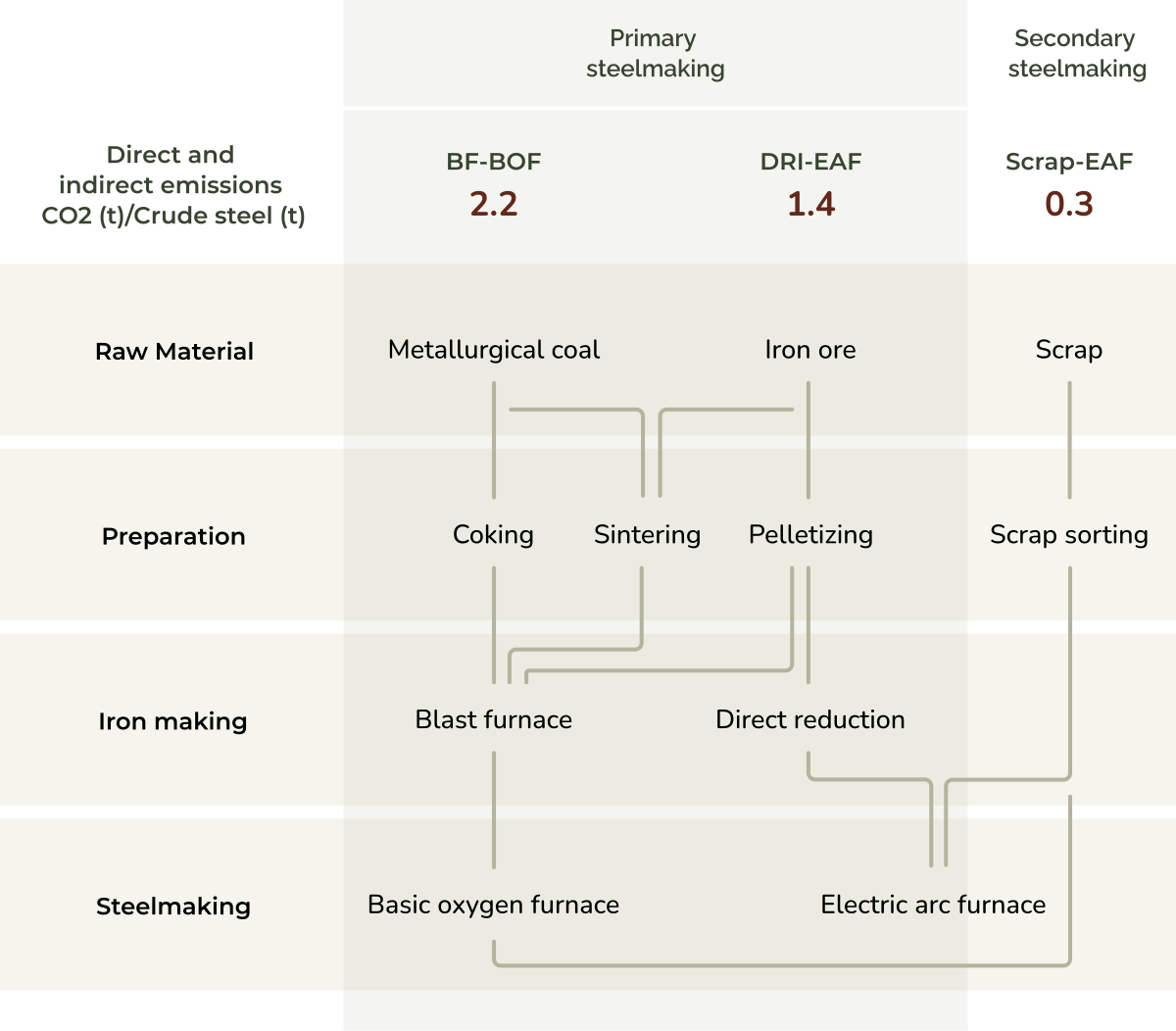
BF/BOF (blast furnace/basic oxygen) uses iron ore and coking coal to produce hot metal, which is then converted to steel, and has historically accounted for 70% of global output.
BF/BOF is the most carbon-intensive route in the heavy industry and is traditionally seen as the primary method for producing new ‘virgin’ steel.
Electric arc furnances
EAF (electric arc furnace) uses electricity to melt scrap and/or ore-based metallics like DRI and accounts for the remaining 30% of global output. EAF has far lower emissions, especially when powered by low-carbon electricity and charged with high-purity metallics such as DRI.
Emissions from steel making
Source: Fact Sheet: The facts about steelmaking Steelmakers seeking Green steel